
About Us
Case Study: Strengthening Communications Capacity for the City of Philadelphia’s Office of Public Safety’s Anti-Violence Community Grant Program
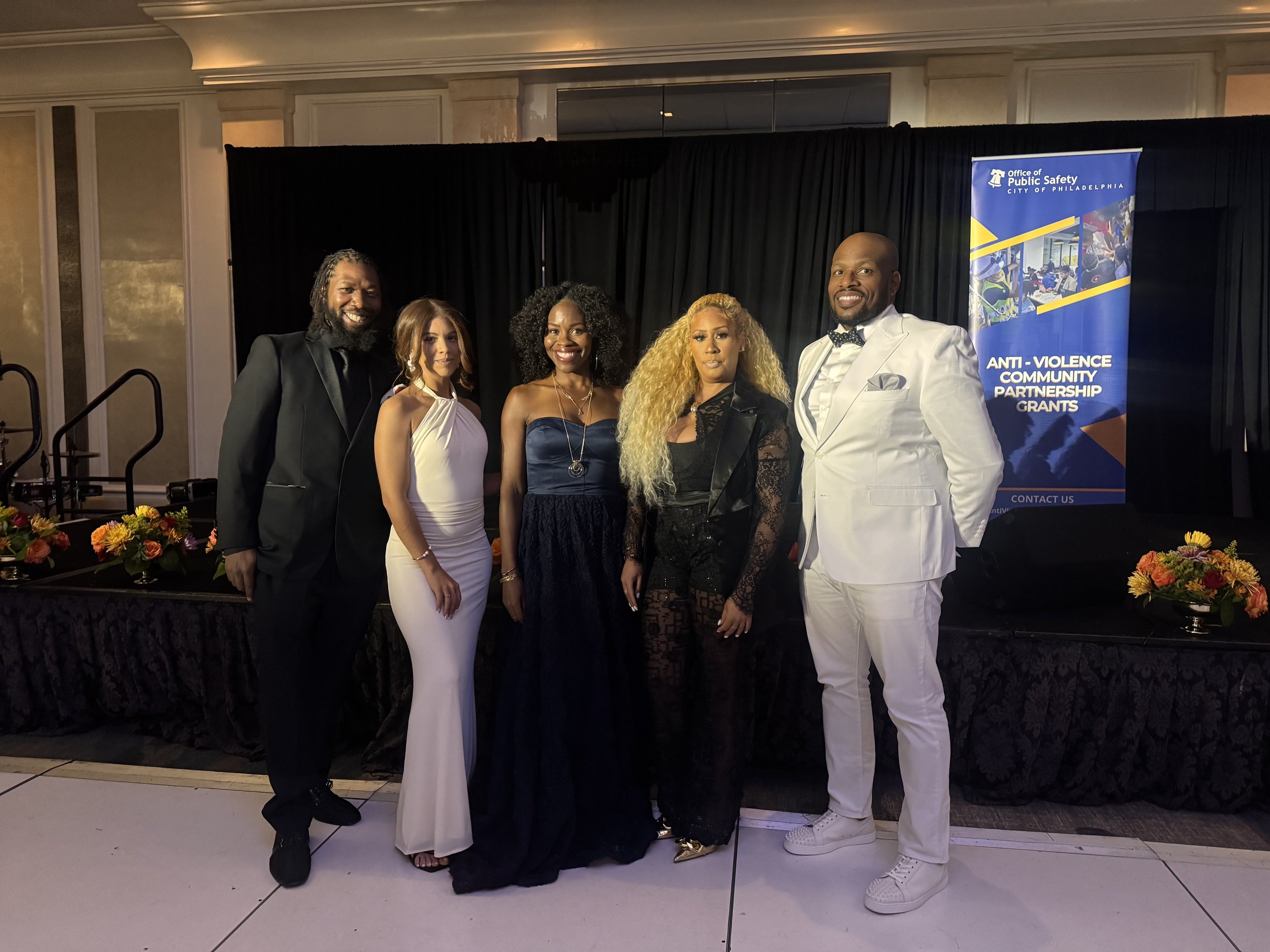
Client: City of Philadelphia’s Office of Public Safety
Engagement: January–December 2025
Role: Communications & Narrative Technical Assistance Lead
Driven by passion
Context
We partnered with the City of Philadelphia’s Office of Public Safety to deliver year-long, communications-focused technical assistance for organizations participating in the Anti-Violence Community Grant Program. Grantees are mission-driven, community-based organizations navigating complex policy environments, public accountability, and diverse stakeholder audiences.
The city sought support to strengthen grantee communications and narrative capacity in ways that were ethical, practical, and immediately applicable, without overwhelming already-stretched teams.
Program Context
Our technical assistance supported organizations operating across a wide range of grant sizes, from approximately $10,000 to million-dollar awards, requiring flexible approaches tailored to varying organizational scale and capacity.
The Need
Across the cohort, common challenges included:
Fragmented or overly complex messaging
Limited audience awareness and message tailoring
Reactive communications practices rather than strategic planning
Emerging confidence in public-facing roles (panels, events, boards)
Insufficient internal infrastructure to support collaboration and preparation
The department needed a technical assistance approach that combined skill-building, individualized support, and real-time application while remaining flexible and responsive to grantee capacity constraints.
Our Role & Approach
We designed and delivered a comprehensive technical assistance program that combined workshops, individualized office hours, and collaborative cohort-based sessions. Our role focused on translating communications strategy into practical tools and building grantee confidence through applied learning.
Key elements of the approach included:
- Workshops on storytelling, strategic communications, public speaking, and digital communications, with an emphasis on ethical, audience-centered narratives
- 1:1 Office Hours providing tailored support for message refinement, document review, and preparation for public-facing opportunities
- Collaborative preparation sessions for panelists and gala emcees, emphasizing readiness, relational infrastructure, and shared ownership rather than performance
- Iterative program design, adapting content, pacing, and formats based on participation patterns, feedback, and observed needs
Throughout the engagement, we worked closely with city staff to align the delivery of technical assistance with program goals, strengthen expectations for grantees, and support continuous learning.
Scope & Reach
· Approximately 90 unique organizations served
· 209 participant engagements across all activities
· 112 total sessions delivered, including:
o 20 workshops
o 80 completed individualized office-hour sessions
o 12 collaborative and cohort-based session
Outcomes & What Changed
Over the course of the engagement, observable shifts included:
- Improved message clarity and consistency, with grantees simplifying language and aligning communications across platforms
- Greater audience awareness, with participants tailoring messages for funders, community members, champions, and internal stakeholders
- Increased confidence and applied practice, particularly through repeated opportunities for rehearsal, feedback, and refinement
- More strategic integration of communications, including the adoption of messaging frameworks, calendars, and planning tools
- Stronger readiness for collaboration, with clear evidence that preparation, continuity, and relational infrastructure improved public-facing outcomes
Illustrative Highlights
· Panelists and emcees who participated in multi-session preparation demonstrated higher confidence, cohesion, and alignment in public-facing roles
· Participants proactively scheduled additional office hours to deepen preparation, reflecting increased ownership and engagement
· Cohort-based formats fostered trust, reduced ego-driven dynamics, and supported collaborative learning
Why This Work Matters
This engagement reinforced that communications capacity-building is most effective when it is relational, practice-based, and supported by a clear structure. Ethical storytelling, strategic clarity, and collaboration readiness are not one-off skills; they require intentional containers, repetition, and individualized support.
The year-long nature of the engagement reflected a high level of trust and continuity, enabling iterative learning, relationship-building, and sustained capacity development.
The work reflects our broader approach to supporting mission-driven organizations during periods of complexity and transition: combining strategy, teaching, and hands-on technical assistance to strengthen capacity without adding burden.
Current Availability
We are currently available for short-term strategic communications support, technical assistance, facilitated learning sessions, and 1:1 office hours for mission-driven organizations and public-sector partners navigating change or growth. To have a conversation about how we may be able to support you and your work, click here.